
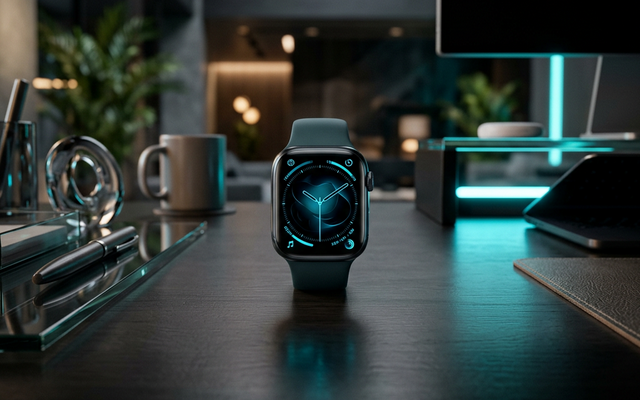
The transition of the Apple Watch from a notification-heavy gadget to a clinical companion is nearly complete. With the arrival of watchOS 26 and the recent NMPA approval for the AFib History feature in China, the device has moved beyond simple activity monitoring into the territory of proactive chronic disease management. This evolution is particularly visible in how Apple handles heart health data – prioritizing clinical utility over aesthetic flair.
The Hook: Why Your Wrist is Now a Medical-Grade Monitor
Modern wearables often prioritize flashy visuals, but the Apple Watch focuses on clinical validity. The recent NMPA approval for “AFib History” (移动脉率房颤迹象记录软件) in China marks a significant milestone for Series 6 and later models. It bridges the gap between global hardware capabilities and local regulatory utility, transforming the watch into a tool that doctors can actually use for follow-up care. Unlike previous iterations that merely flagged issues, the 2026 ecosystem is designed to manage them.
The Apple Watch isn’t just counting steps anymore. In 2026, it is effectively a single-lead ECG and a blood pressure screening tool wrapped in a premium design. The approval of AFib History in China is a major win for patients who need consistent, non-invasive monitoring.
AFib History: The Missing Link in Long-Term Heart Care
From Detection to Management
The biggest shift in watchOS 26 is the transition from “Irregular Rhythm Notifications” to continuous AFib burden monitoring. While notifications are good for initial discovery, AFib History allows for 48-hour continuous sampling. This provides a “burden” percentage – the amount of time your heart spent in atrial fibrillation over a week.
NMPA Approval Impact
In China, this feature is now formally approved for users aged 22 and older who have already been diagnosed with AFib. By upgrading to watchOS 26, Series 6 users and above can finally unlock this clinical management tool. It eliminates the need for bulky, intrusive trackers during the post-diagnosis follow-up phase.
Clinical Value
AFib burden data is remarkably precise. According to a 2026 report by AHA Journals, Apple’s irregular heart rhythm notifications showed an 84% positive predictive value for AFib when confirmed by a subsequent medical-grade ECG. This high level of reliability allows users to share a coherent PDF report with their physicians, directly influencing medication adjustments and risk assessments. Much like our recent look at the iPhone 17e benchmarks, efficiency and precision are the core themes here.
watchOS 26: Supercharging Health with AI & Precision
Hypertension Alerts
The Series 11 and Ultra 3 introduce the highly anticipated hypertension detection. It is important to understand that this is a screening tool, not a direct blood pressure cuff. It analyzes blood vessel activity over a 30-day period to identify signs of chronic high blood pressure. According to a 2026 sensitivity study published in JMIR, the feature has a specificity of 92.3%. This means that if you receive an alert, it is almost certainly based on a real physiological change, even if the watch did not miss some earlier cases (sensitivity ~41.2%).
- FDA and NMPA cleared AFib History for management.
- Highly accurate heart rate tracking (best-in-class).
- Advanced hypertension screening identifies undiagnosed risks.
- Deep integration with the Health app and medical reports.
- Battery life is still 24 hours (requires daily charging).
- No direct blood pressure measurement provided yet.
- Some health features require a 30-day “calibration” period.
The Sleep Score Overhaul
Apple has finally moved beyond simple sleep stages to a 100-point Sleep Score. This metric quantifies rest by integrating bedtime consistency, total duration, and interruptions. While Reddit users in early 2026 have noted some inconsistencies during disturbed nights, it remains a valuable benchmark for identifying lifestyle triggers like alcohol or late-night screen time.
Workout Buddy
The new AI-powered Workout Buddy offers adaptive coaching. It does not just track calories; it analyzes cardiovascular recovery. This integration makes the Apple Watch a more compelling choice compared to using separate screen recording apps for walkthroughs, as it keeps all critical health and performance data within a single, unified ecosystem.
The Hard Specs: Sensor Synergy in 2026
- Sensors: Optical Heart (3rd Gen), ECG, SpO2, Skin Temperature, High-G Accelerometer.
- Battery: Up to 24 hours (Series 11), 48 hours (Ultra 3).
- Health: AFib History, Hypertension alerts, Sleep Apnea, Vitals Dashboard.
- Software: watchOS 26 with Gemini/Siri Health Integration.
SpO2 & ECG
Single-point measurements are becoming obsolete. The Vitals App now creates a baseline of your SpO2 and ECG data, flagging deviations rather than just reporting numbers. Based on a 2026 performance meta-analysis by The5KRunner, the Apple Watch is still rated “best in class” for wearable heart rate tracking during steady-state exercise, outperforming most other non-chest strap competitors.
Battery Life Reality Check
The Series 11 offers a reliable 24-hour battery life. While this sounds low compared to fitness-first trackers, it is the necessary threshold to enable true continuous monitoring plus sleep tracking. Fast charging ensures that a 30-minute top-up keeps the sensors active for the next day of data collection. This power efficiency is a major focus for Apple this year, similar to the optimizations seen in the M5 Max MacBook Pro.
The “Safety Gold Standard”
Fall and Crash detection remain the industry gold standards. These sensors rely on high-g accelerometers and microphones to detect life-threatening incidents. In 2026, these are no longer “extra” features; they are non-negotiable components of the health suite.
Comparison: Apple Watch vs. The Smartwatch Landscape
| Feature | Apple Watch Series 11 | Garmin Venu 4 | Pixel Watch 4 | Samsung Galaxy Watch 8 |
|---|---|---|---|---|
| AFib Management | Clinical-Grade (Burden) | High Detection Accuracy | Notification Based | Notification Based |
| Hypertension | Screening (NMPA/FDA) | Not Available | Third-Party App Only | Regional Availability |
| Heart Rate Accuracy | Best-in-Class (92%+) | Strong (88%+) | Rapidly Improving | Good (Resting) |
Frequently Asked Questions
A: No, it does not provide systolic or diastolic readings. It uses “hypertension notifications” to screen for patterns over 30 days.
A: Yes, it received NMPA approval in early 2026 for Series 6 and later models running watchOS 26.
A: Officially, yes. The feature is intended for users 22+ who are already diagnosed with AFib to track their heart burden.